
If you want your website to attract the right audience in 2026, there is one foundational skill you must master before anything else: understanding what people are searching for and why. Search engines have become smarter, user behavior has evolved, and competition has intensified across nearly every niche. Yet despite all these changes, the core principle remains the same—successful SEO starts with knowing how your audience thinks, searches, and decides.
This guide is designed for beginners who want a clear, modern, and practical understanding of how to find and choose the right terms for their content. You don’t need to be a data scientist or a marketing expert. By the end of this article, you’ll understand the mindset, process, and strategy required to build content that ranks, converts, and lasts.
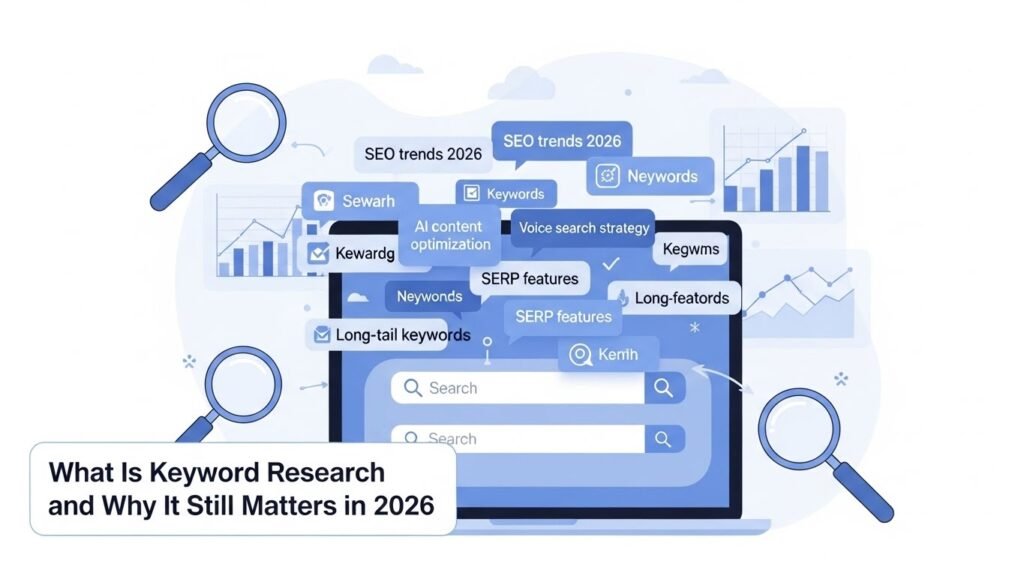
What Is Keyword Research and Why It Still Matters in 2026
At its core, keyword research is the process of identifying the words and phrases people type into search engines when they are looking for information, products, or services. These terms act as a bridge between what users want and the content you create.
In 2026, search engines rely heavily on intent, context, and topical authority. However, none of that works without a strong foundation of relevant search terms. Keywords help search engines understand what your page is about and help users determine whether your content matches their needs.
Without this process, you’re essentially publishing content in the dark—hoping the right people somehow find it. With it, every article, product page, or landing page becomes purposeful and aligned with real demand.
How Search Behavior Has Changed in Recent Years
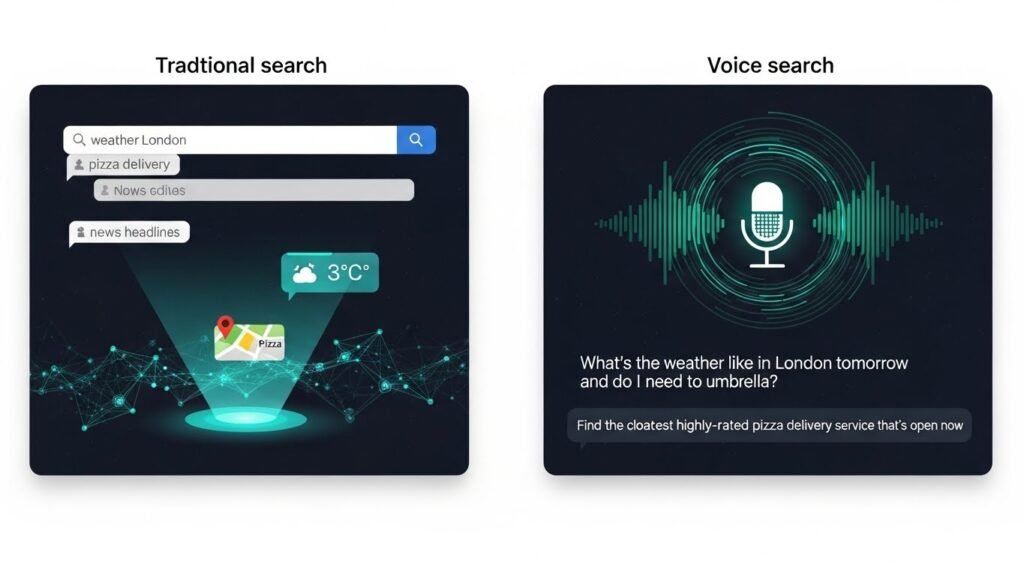
Before diving into techniques, it’s important to understand how search behavior has evolved. Users now ask longer, more conversational questions, often through voice search or AI-powered assistants. Instead of typing short phrases, they describe problems in detail and expect precise answers.
Search engines respond by prioritizing pages that demonstrate expertise, depth, and relevance. This means you’re no longer optimizing for robots alone—you’re optimizing for people first, with search engines following closely behind.
Understanding this shift will help you approach SEO with the right mindset: clarity, usefulness, and alignment with intent always come before clever tricks.
SEO Keyword Research: Building the Right Foundation

SEO keyword research
This stage focuses specifically on identifying terms that can realistically help your site rank in search engines. It’s not about finding the most popular phrases—it’s about finding the right ones.
A strong approach considers three essential factors:
- Search intent – What is the user trying to accomplish?
- Competition level – How difficult is it to rank?
- Relevance – Does the term truly match your content and goals?
When these three elements align, you have the foundation for pages that not only attract traffic but also satisfy visitors.
Understanding User Intent: The Heart of Modern SEO
Every search query falls into one of four broad intent categories:
- Informational – The user wants to learn something
- Navigational – The user wants to reach a specific site or page
- Commercial – The user is comparing options
- Transactional – The user is ready to take action
Search engines are extremely good at identifying intent, which means your content must match it precisely. If your page doesn’t solve the user’s underlying problem, rankings will be short-lived—even if you manage to reach the first page temporarily.
Keyword Research Tools: Turning Ideas Into Data

keyword research tools
While intuition is helpful, data is essential. Tools transform rough ideas into actionable insights by showing how people actually search.
These platforms typically help you:
- Discover related terms
- Understand competition levels
- Identify opportunities within your niche
- Prioritize content ideas logically
Instead of guessing, you’re making informed decisions backed by real search behavior.
Paid vs. Free Options: What Beginners Should Know
If you’re just starting out, you don’t need expensive software immediately. A free keyword research tool can be enough to learn the fundamentals, validate ideas, and build your first batch of content.
As your site grows, investing in more advanced platforms may make sense. Many professionals eventually look for the best keyword research tool that balances accuracy, usability, and depth of insights—but that choice depends on your goals, budget, and experience level.
The key is not which platform you use, but how well you interpret the data it provides.
From Data to Strategy: Making Sense of Keywords
Finding terms is only half the work. The real value comes from understanding what to do with them.
This is where keyword analysis becomes essential. It involves evaluating:
- Difficulty and competitiveness
- Relevance to your audience
- Alignment with your existing content
- Potential to drive meaningful outcomes
Analysis helps you avoid targeting phrases that look attractive on the surface but offer little real value in practice.
Search Volume: What the Numbers Really Mean
One of the most misunderstood metrics is keyword search volume. While it indicates how often a term is searched, it does not guarantee traffic or conversions.
High-volume phrases often come with intense competition and vague intent. Lower-volume terms, on the other hand, can deliver highly targeted visitors who are more likely to engage, subscribe, or buy.
Smart SEO strategies balance both, focusing on realistic opportunities rather than chasing impressive-looking numbers.
Choosing the Right Keywords for Your Content
Not every term belongs on every page. Each piece of content should focus on a primary concept supported by closely related ideas.
Ask yourself:
- Does this term match the purpose of the page?
- Can I provide a better answer than what already exists?
- Does it fit naturally into the content?
If the answer is no, it’s better to skip it—even if the data looks appealing.
The Role of SEO Keywords in Content Creation
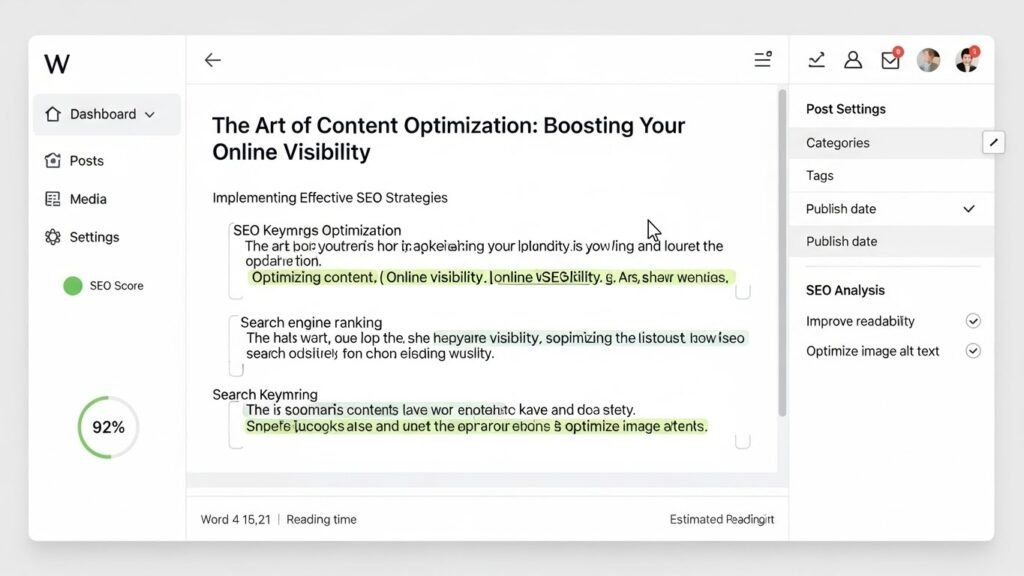
At this stage, you’ll begin integrating seo keywords into your writing. This should always feel natural and reader-focused.
Effective placement includes:
- Titles and headings were relevant
- Introductory sections for context
- Body content that adds clarity
- Meta descriptions for visibility
Avoid overuse. Modern search engines recognize context, synonyms, and topic depth. Clarity beats repetition every time.
How SEO Research Supports Long-Term Growth
Beyond individual pages, seo research helps you see the bigger picture. It reveals:
- Content gaps competitors haven’t filled
- Trends emerging in your industry
- Opportunities to build topical authority
When done consistently, this research informs your entire content strategy, making your website stronger and more resilient over time.
Using a Keyword Tool Effectively
A keyword tool is only as useful as the strategy behind it. Instead of exporting massive lists, focus on:
- Grouping related terms by topic
- Mapping them to specific pages
- Prioritizing based on business value
This structured approach keeps your site organized and prevents keyword cannibalization.
Common Beginner Mistakes to Avoid
Many newcomers struggle not because SEO is difficult, but because they make avoidable mistakes:
- Chasing high competition terms too early
- Ignoring user intent
- Creating content without a clear focus
- Relying solely on tools without thinking critically
Awareness of these pitfalls can save months of wasted effort.
Building Authority Through Topic Clusters
In 2026, search engines reward websites that demonstrate depth. Instead of isolated articles, aim to build topic clusters—groups of related content that support one another.
This approach:
- Improves internal linking
- Strengthens topical relevance
- Enhances user experience
Over time, clusters help your site become a trusted resource rather than just another blog.
Measuring Success and Refining Your Approach

SEO is not a one-time task. Track performance regularly:
- Monitor rankings and traffic trends
- Review user engagement metrics
- Update content as intent evolves
Continuous refinement ensures your efforts remain effective even as algorithms and user behavior change.
Final Thoughts: Your Next Steps in 2026
Keyword strategy is no longer about gaming algorithms—it’s about understanding people. When you focus on intent, relevance, and quality, rankings become a natural byproduct of value.
Start small. Practice consistently. Learn from data, but trust your understanding of your audience. With patience and the right approach, you’ll build content that not only ranks well but genuinely helps the people searching for it.
That’s the true goal of SEO in 2026—and the foundation of long-term digital success.