
We helped a B2B client grow organic traffic by more than 180% in nine months by shifting from keyword-focused SEO to a buyer-intent-driven strategy. The real win wasn’t traffic alone. It was higher-quality inbound leads, stronger sales conversations, and a measurable impact on revenue.
This case study breaks down exactly what changed, why it worked, and what other B2B businesses can learn from it.
Quick Takeaways
- Organic traffic increased 180%+ without increasing ad spend
- High-intent keywords moved from pages two and three into the top three positions
- Content was rebuilt around buyer journeys, not blog volume
- SEO began supporting sales, not competing with them
- The strategy followed modern SEO and AEO standards built for 2025 and beyond
The Real Problem Most B2B Companies Face
Most B2B companies don’t fail at SEO because they ignore it. They fail because they misunderstand it.
When this client came to us, they were already publishing content regularly. They had service pages, blogs, and even some rankings. On paper, things looked fine.
In reality, organic growth had plateaued. Lead quality was inconsistent. Sales conversations were dragging. Marketing felt busy, but revenue wasn’t moving in the same direction.
This is the most common B2B SEO scenario we see.
- Traffic exists. Momentum does not.
- The core issue wasn’t visibility. It was relevant.
Client Snapshot and Business Context
- Industry: B2B services
- Target audience: Business owners, founders, department heads, and operations leaders
- Sales cycle: Roughly 2–6 months
- Deal size: Mid to high value
- Primary objective: Increase qualified inbound leads through organic search
- Secondary objective: Reduce dependency on paid acquisition channels
Before the new SEO strategy, organic traffic skewed heavily toward early-stage informational queries. These visitors were learning, not buying. The site attracted attention, but not intent.
What the Initial SEO Audit Revealed
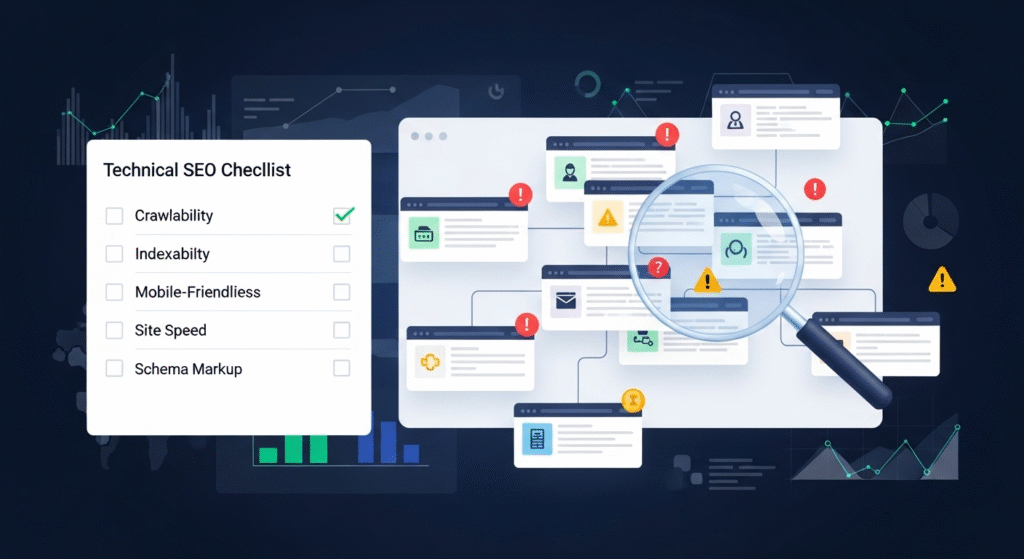
Before creating new content, we audited the entire site.
Here’s what surfaced quickly:
- Pages ranking for keywords that didn’t align with what the business actually sold
- Blog content written to “target keywords” instead of answering buyer objections
- No clear topical authority signals for Google or AI systems
- Internal links existed, but they didn’t support priority revenue pages
- No optimization for People Also Ask, featured snippets, or AI summaries
In short, the site was searchable but not persuasive.
SEO wasn’t broken. It just wasn’t pointed in the right direction.
The Strategic Pivot That Changed Everything
Here’s where the approach shifted.
Instead of asking, “What keywords can we rank for?”
We asked, “How do buyers actually move from problem to purchase?”
That question reframed the entire strategy.
B2B buyers don’t search randomly. They follow patterns. They research cautiously. They compare options. They delay decisions. They look for proof.
SEO had to mirror that behavior.
Step One: Mapping SEO to the Buyer Journey
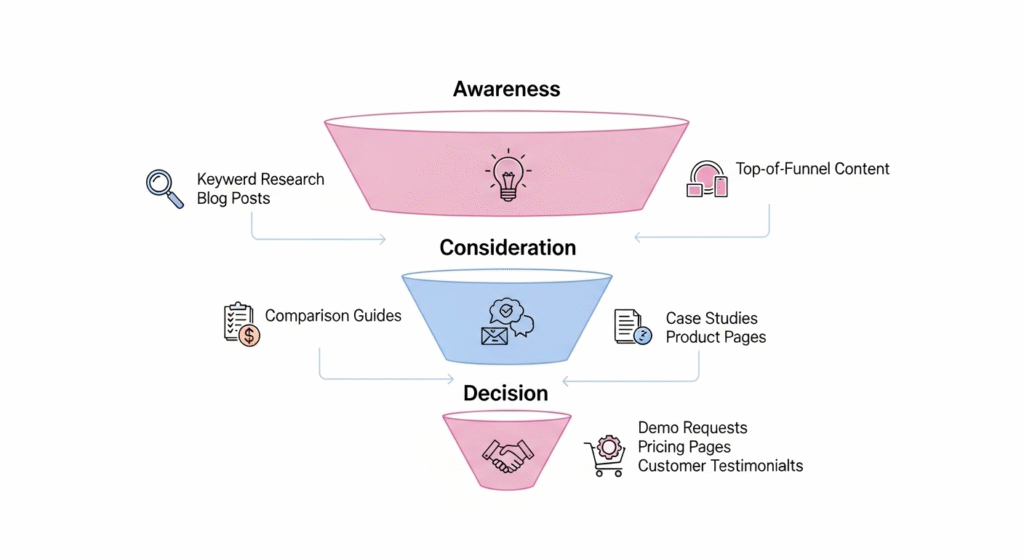
We rebuilt the content architecture around three core buyer stages.
| Buyer Stage | What Buyers Are Thinking | SEO Content Role |
| Awareness | “Do I really have this problem?” | Education and clarity |
| Consideration | “What are my options?” | Comparison and validation |
| Decision | “Who should I trust?” | Proof and conversion |
This alone eliminated a massive amount of wasted effort.
Every page now served a specific psychological moment in the buying process.
Step Two: Rebuilding Content With Intent, Not Volume

Previously, the blog strategy focused on publishing frequently.
We stopped that.
Instead, we focused on publishing deliberately.
Each piece of content had to answer one of three questions:
- Does this help a buyer understand their problem better?
- Does this help a buyer compare solutions realistically?
- Does this help a buyer feel confident choosing us?
If it didn’t serve one of those purposes, it didn’t get published.
This reduced content volume, but dramatically increased impact.
Step Three: Technical SEO That Removed Friction
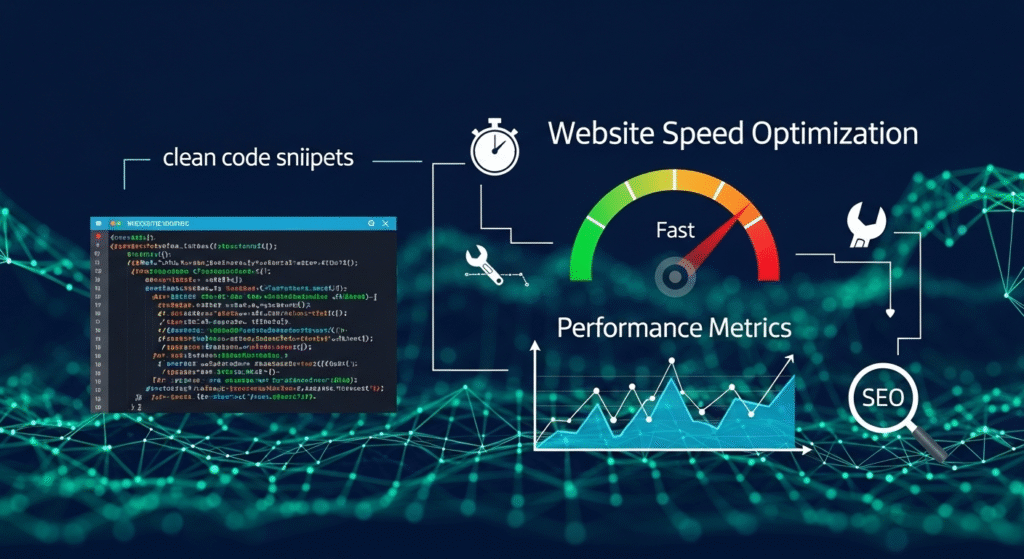
This is where many B2B teams underestimate SEO.
Even the best content fails if technical friction exists.
We addressed:
- Crawl inefficiencies that prevented important pages from being indexed properly
- Thin and overlapping content that diluted authority
- Page speed issues affecting engagement metrics
- Weak heading structures that confused search engines and users
- Internal link paths that buried revenue pages too deeply
Once these issues were resolved, rankings began to stabilize and improve more consistently.
Step Four: Building Content Sales Could Actually Use
This step changed the internal perception of SEO.
We collaborated closely with sales to understand:
- Common objections raised on calls
- Questions prospects asked before signing
- Comparisons of prospects made with competitors
- Misconceptions that slowed decisions
Then we turned those insights into SEO assets.
The result was content that sales teams could confidently share during live deals.
That’s when SEO stopped being “marketing content” and started becoming sales enablement.
Step Five: Internal Linking That Reinforces Authority
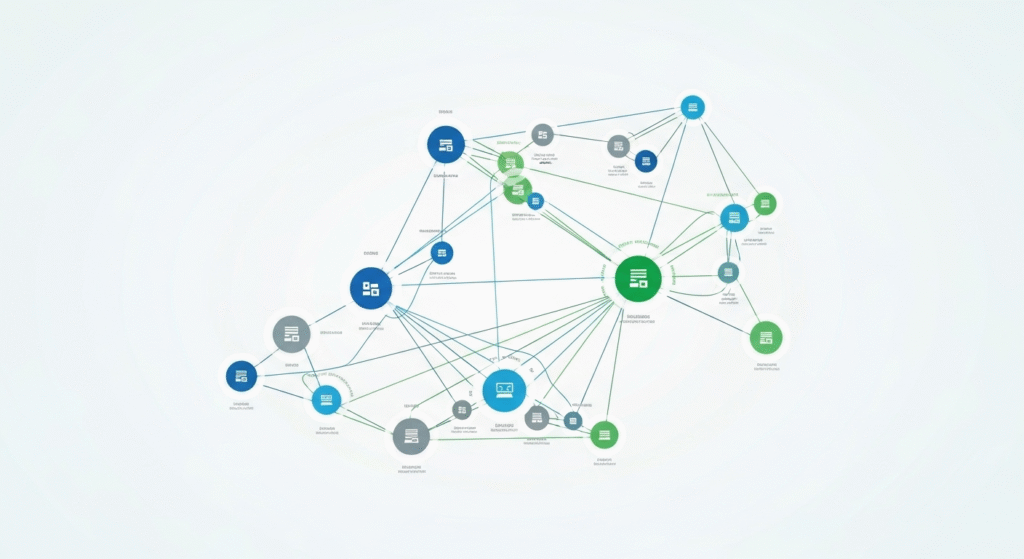
Internal linking was redesigned with intent.
Instead of random cross-links, we created structured pathways where:
- Educational content funneled authority to commercial pages
- Comparison pages linked directly to service pages
- Case-style content reinforced trust at the decision stage
This helped search engines understand priority pages and helped users navigate naturally toward conversion.
Step Six: Optimizing for AEO and AI Search Behavior
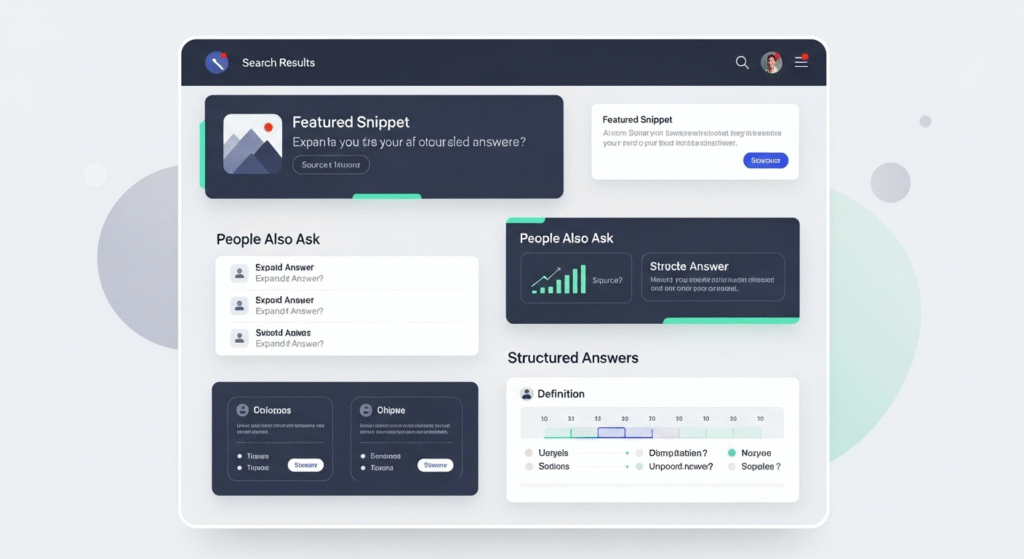
Search behavior is changing.
Buyers increasingly rely on:
- Featured snippets
- People Also Ask boxes
- AI-generated summaries
We structured content accordingly:
- Clear, direct answers near the top of key pages
- Question-based subheadings mirroring real searches
- Lists, tables, and summaries designed for extraction
- FAQs built for voice search and AI interpretation
This improved visibility without sacrificing depth.
The Results After Nine Months
The outcomes were measurable and consistent.
- Organic traffic increased by 180%+
- High-intent keywords reached top-three positions
- Sales reported stronger inbound lead quality
- Organic search became a primary growth channel
- Paid acquisition dependency decreased
Most importantly, SEO performance is aligned with revenue metrics.
Why This Approach Works for B2B
B2B SEO fails when it’s treated like publishing. It succeeds when it’s treated like positioning.
This strategy worked because it respected how buyers think, hesitate, and decide. It aligned SEO with business reality rather than vanity metrics.
FAQ
How long does B2B SEO take to produce results?
Early improvements typically appear within three to four months, with meaningful pipeline impact between six and nine months. Competitive niches require patience, but gains compound over time.
Is B2B SEO different from B2C SEO?
Yes. B2B SEO emphasizes depth, authority, and decision-stage content. Search volume is often lower, but lead value is significantly higher.
What content performs best in B2B SEO?
Content that addresses objections, comparisons, pricing concerns, and real-world use cases consistently outperforms generic educational posts.
Can SEO really support B2B sales?
When aligned with buyer intent and sales conversations, SEO becomes one of the most reliable long-term B2B lead sources.
A Practical B2B SEO Checklist
- Buyer-stage content mapping
- Strong technical foundation
- Internal linking tied to revenue pages
- Authority-focused long-form content
- AEO and snippet optimization
- Sales-aligned messaging
Missing any of these usually leads to stalled growth.
What This Means for Your Business
If your B2B SEO isn’t driving real conversations, the problem is rarely effort.
It’s alignment.
- Alignment between how buyers search and how your content responds.
- Alignment between marketing and sales.
- Alignment between traffic goals and revenue goals.
Fix that alignment, and SEO becomes predictable and scalable. Ignore it, and you’ll keep publishing content that looks impressive but doesn’t move the business forward.