
Internal linking is one of the most powerful and most misunderstood SEO strategies for improving website rankings. When implemented correctly, it helps search engines understand your website structure, distributes authority to your most important pages, and guides visitors toward actions that drive revenue. For business owners, internal linking is not a technical luxury. It is a foundational growth tool.
Why Internal Linking Matters for Business Owners?
- Strengthens SEO by distributing authority across key pages
- Helps search engines crawl and index content efficiently
- Improves user experience and engagement metrics
- Supports higher rankings for service and sales pages
- Increases conversions by guiding visitors logically
The Reality Most Business Owners Miss
I see the same issue repeatedly.
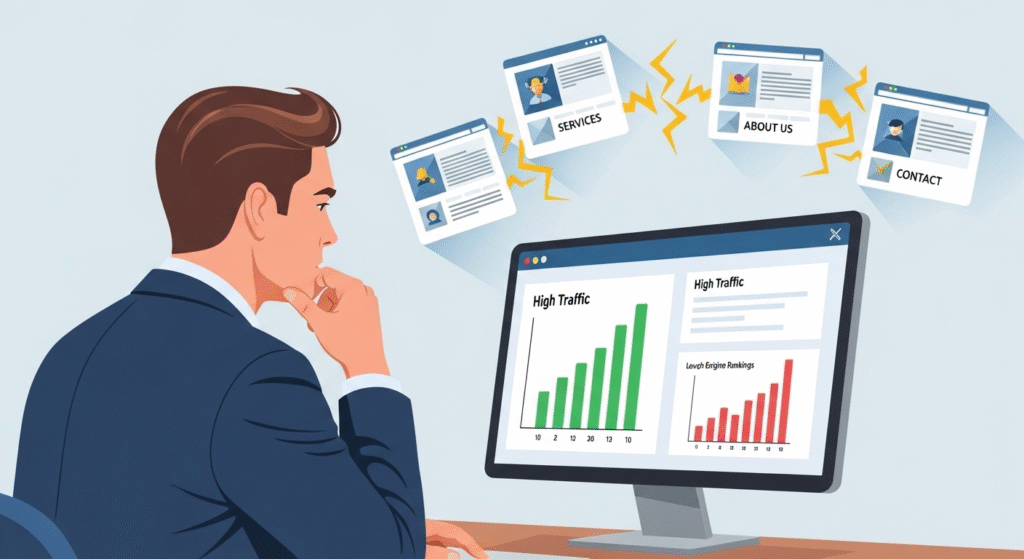
Business owners publish blog after blog, invest in SEO tools, and sometimes even hire agencies. Traffic grows, but revenue pages stay stuck on page two or three. At that point, frustration sets in.
Most of the time, the issue is not content quality or keyword choice. It is the internal structure.
Pages exist in isolation. Blog posts do not support services. Authority is scattered. Google has no clear signal telling it which pages matter most.
Internal linking fixes that problem quietly but powerfully.
What Is Internal Linking in Plain English?
Internal links are hyperlinks that connect one page on your website to another page on the same website.
That sounds simple, but the impact is massive.
Search engines treat internal links as signals and instructions. Each link tells Google that a page exists, that it is related to another topic, and that it holds a certain level of importance.
The way you link internally shapes how your entire website is interpreted and ranked.
How Internal Linking Directly Impacts Website Rankings
Internal Links Control How Authority Flows Through Your Site
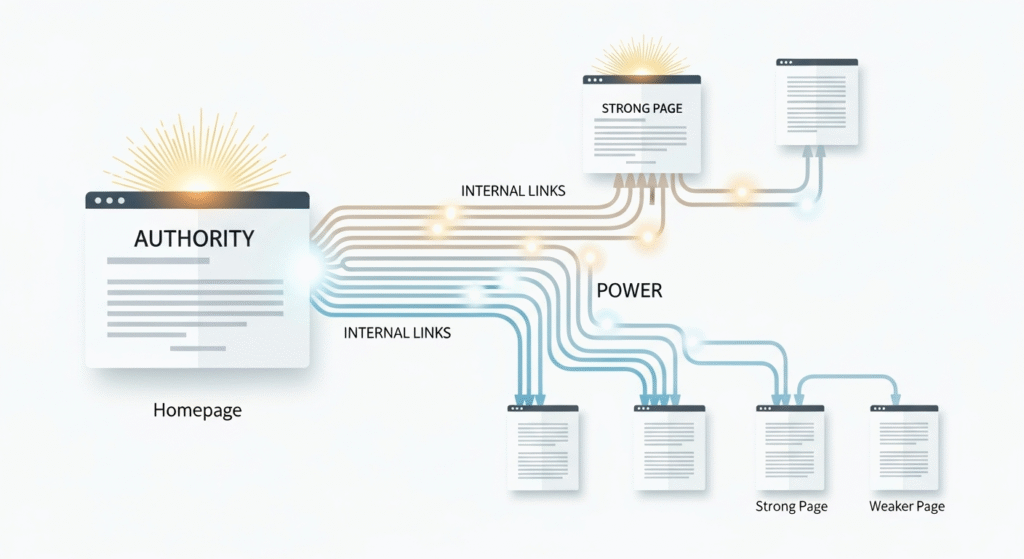
Every website builds authority over time through backlinks, brand mentions, traffic, and trust signals. The mistake many business owners make is assuming that authority automatically benefits all pages equally.
It does not.
Internal links decide where authority flows.
Here is a common scenario. A blog post earns backlinks and starts ranking well. Traffic increases. But the post does not link to your main service page. As a result, the authority stops there. It never reaches the page designed to convert visitors into customers.
Internal links act like pipelines. Without them, authority leaks and gets wasted.
A strong internal linking system:
- Transfers authority from informational content to commercial pages
- Strengthens high-value URLs without acquiring new backlinks
- Helps newer or lower authority pages rank faster
This is one of the few ranking factors fully within your control as a business owner.
Internal Linking Helps Search Engines Understand Your Site Structure
Search engines do not see design or layout the way humans do. They analyze relationships.
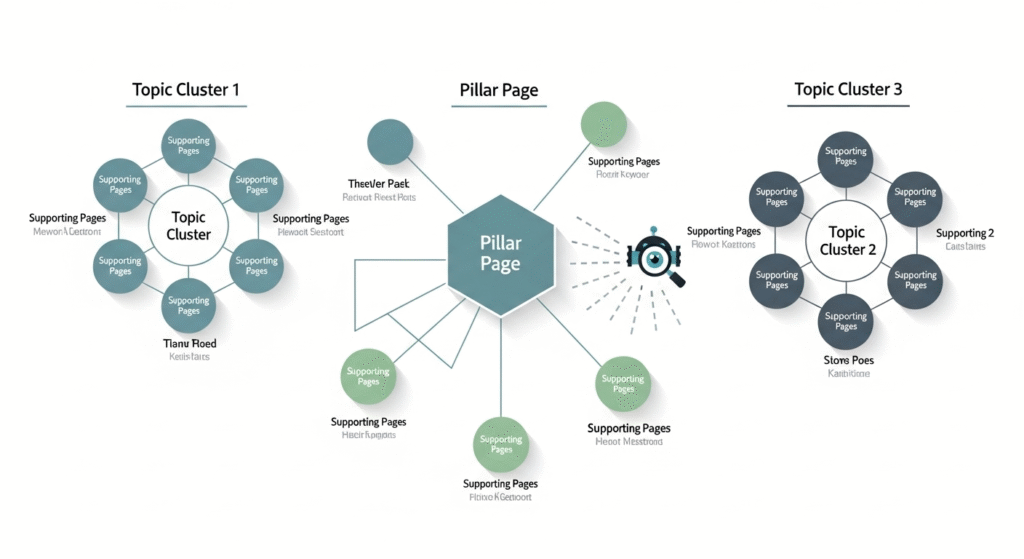
Internal links create contextual connections between pages. When multiple pages link to each other around a shared topic, search engines recognize that topic as an area of expertise.
For example:
- A blog post about email marketing linking to an email marketing service page
- A guide on local SEO linking to a Google Business Profile optimization service
These connections tell Google that the pages belong to the same topical cluster.
Over time, this builds topical authority. Websites with clear topical clusters tend to rank entire sections rather than single pages.
Better Crawling and Indexing for Growing Websites
Many business owners are surprised to learn that publishing a page does not guarantee it will rank or even be indexed.
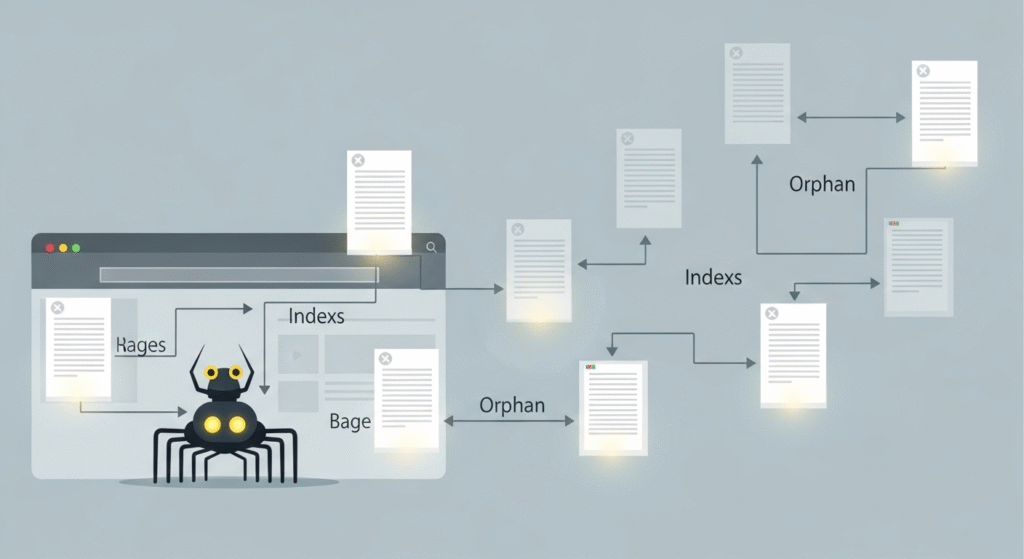
If a page has no internal links pointing to it, search engines may crawl it infrequently, index it slowly, or ignore it altogether.
I have audited websites with dozens of published pages that received almost no search visibility simply because nothing linked to them internally.
Internal links create crawl paths. They help search engines discover new content and understand which pages deserve priority.
A practical rule is that any page important for rankings or revenue should be accessible within three clicks from the homepage.
Internal Links Improve User Experience, Which Supports SEO
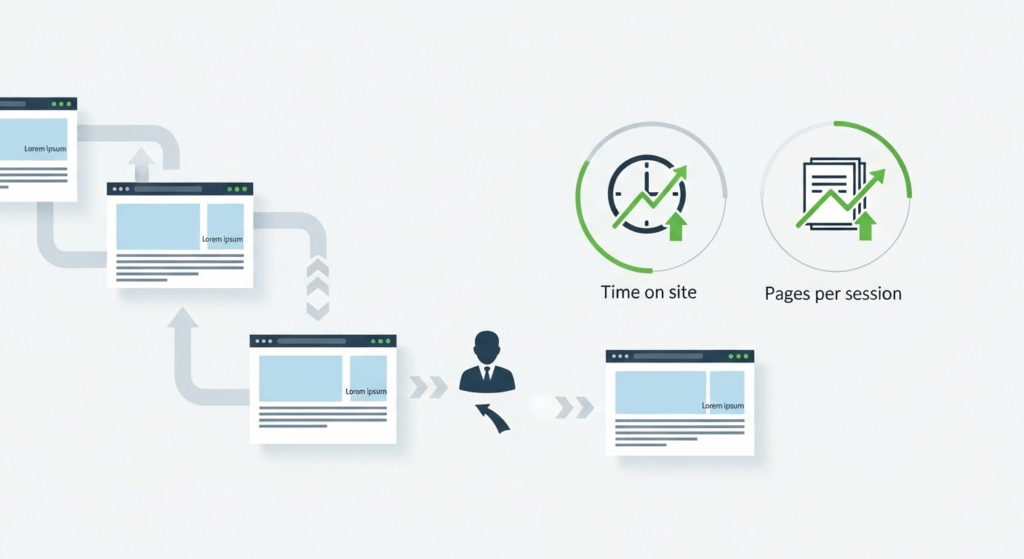
SEO is no longer just about search engines. User behavior matters.
Internal links guide visitors through your website. They help users find relevant information, reduce confusion, and encourage deeper exploration.
When internal linking is done well, you often see:
- Lower bounce rates
- Higher pages per session
- Longer time on site
I have seen conversion rates improve simply by adding thoughtful internal links, without changing design or copy. Visitors felt guided instead of lost, and search engines rewarded that engagement.
Internal Linking vs Backlinks: Which One Matters More?
Backlinks are powerful. They bring authority to your website.
But internal links decide what happens after that authority arrives.
Many websites already have enough backlinks to rank better than they do. The problem is that authority is not being distributed effectively.
If your website receives traffic but rankings feel capped, internal linking is often the missing piece.
Types of Internal Links and Their SEO Value
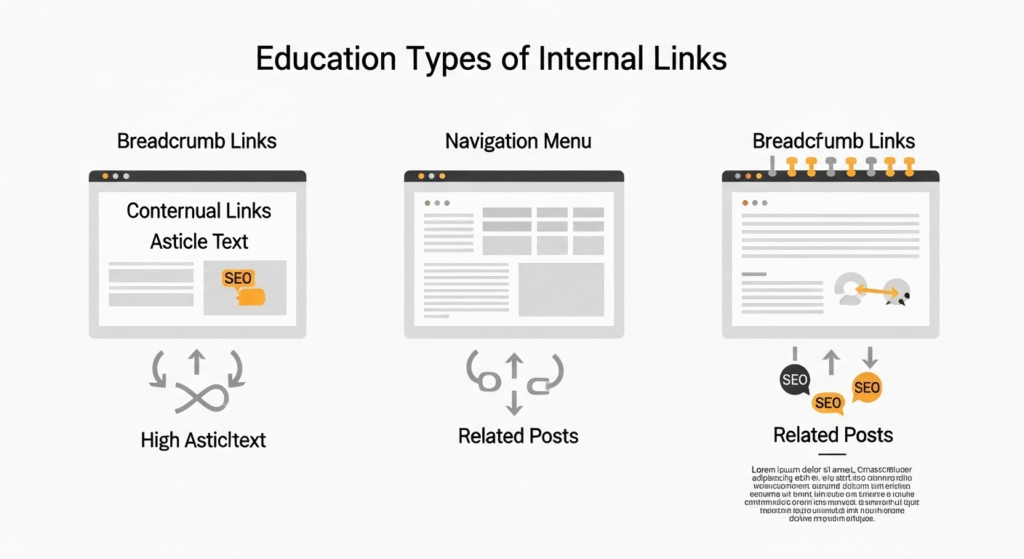
Contextual Internal Links
Contextual links appear within the main content of a page. These are the most valuable internal links from an SEO perspective.
Example sentence:
“If you want long-term growth, your SEO strategy needs a solid internal linking framework.”
Contextual links:
- Pass the most authority
- Provide strong relevance signals
- Feel natural to users
These should be the foundation of your internal linking strategy.
Navigational Links
These include menus, headers, and footers. They help users navigate but carry less SEO weight than contextual links.
Think of them as structural support rather than ranking drivers.
Breadcrumb Links
Breadcrumbs show users where they are within your site hierarchy. They are especially useful for blogs and e-commerce websites.
Breadcrumbs help search engines understand page hierarchy and improve overall crawl clarity.
Sidebar and Related Content Links
These links support engagement and content discovery. They can be helpful but should not replace contextual linking within content.
How to Build an Internal Linking Strategy That Actually Works
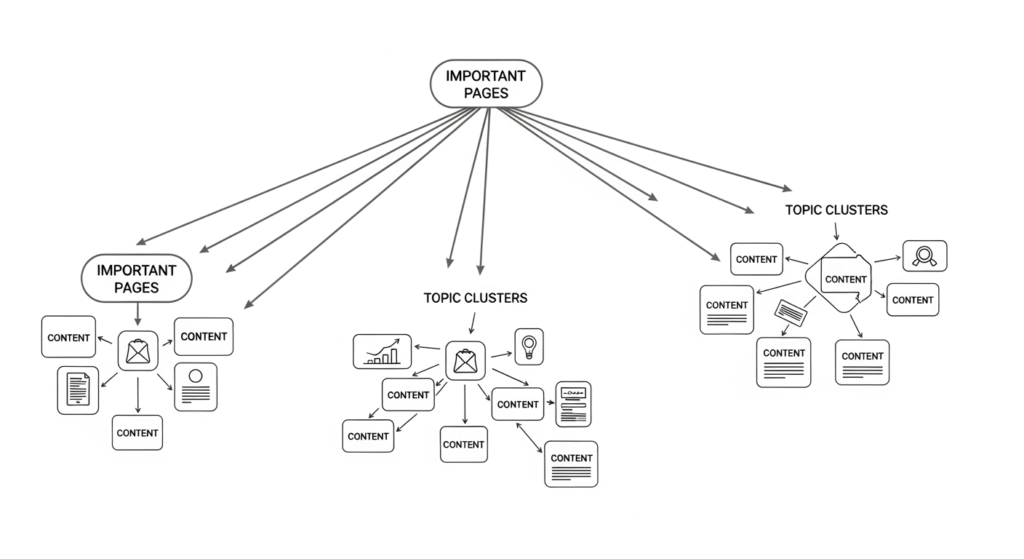
Identify Your Most Important Pages
Start by identifying pages that matter most to your business:
- Core service pages
- Product or category pages
- High-value lead generation pages
These are your authority targets. Other pages should support them.
Build Topic Clusters Instead of Isolated Content
Instead of publishing random blog posts, organize content into clusters.
For example:
- Pillar page: SEO Services for Small Businesses
- Supporting content:
- Importance of Internal Linking
- On Page SEO Best Practices
- Local SEO Mistakes Business Owners Make
Each supporting page links back to the pillar page and often to each other. This mirrors how people search and learn.
Use Descriptive Anchor Text Naturally
Anchor text should describe the destination page clearly without sounding forced.
Avoid vague anchors like click here or read more.
Use natural phrases such as internal linking strategy or improve website rankings with SEO.
If it sounds awkward when spoken aloud, it is likely over-optimized.
Update Existing Content for Faster Results
Updating old content is one of the fastest ways to improve internal linking.
Instead of publishing endlessly, revisit existing pages and:
- Add links to newer pages
- Strengthen links to service pages
- Fix orphaned content
Older content already has trust and authority. Leveraging it often produces quicker ranking improvements than publishing from scratch.
Common Internal Linking Mistakes Business Owners Make
- Linking only through navigation menus
- Using exact match anchor text excessively
- Leaving orphan pages without internal links
- Linking randomly without a strategy
Internal links should always serve a purpose.
Internal Linking Checklist for Business Owners
| Task | Why It Matters |
| Link blog posts to services | Pass authority |
| Keep key pages within 3 clicks | Improve crawl priority |
| Use descriptive anchor text | Improve relevance |
| Update older content regularly | Unlock quick SEO gains |
| Fix broken internal links | Maintain trust |
How Internal Linking Supports AI Search and Voice Search
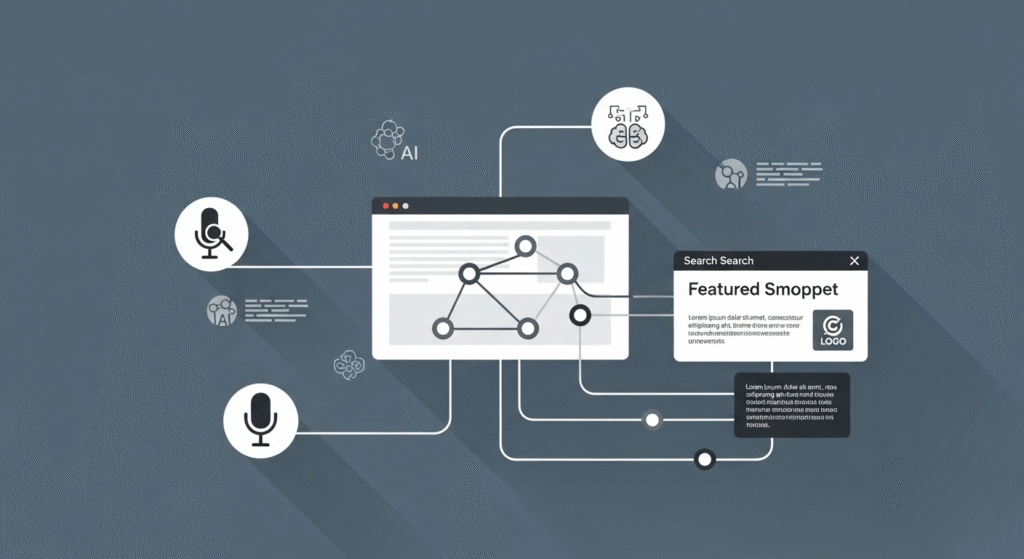
Search engines are evolving into answer engines.
Internal linking helps search engines understand context, relationships, and authority across your site. Well-linked pages are more likely to appear in featured snippets, voice search results, and AI-generated summaries.
This is not future SEO. It is the current reality.
Frequently Asked Questions About Internal Linking
How many internal links should a page have?
There is no fixed number. Focus on usefulness. Most pages perform well with three to ten contextual internal links, depending on length and intent.
Do internal links really improve rankings?
Yes. Internal links influence crawlability, authority distribution, and topical relevance, all of which are ranking factors.
Can too many internal links hurt SEO?
Yes, if they are excessive or irrelevant. Links should add value, not clutter.
Should every page link to the homepage?
No. The homepage already receives authority naturally. Focus internal links on service, product, and conversion-focused pages.
How often should internal links be reviewed?
Quarterly is a good baseline. High-traffic sites may benefit from monthly reviews.
Is internal linking important for small businesses?
Absolutely. Small businesses often lack backlinks. Internal linking maximizes the authority they already have.
Can internal linking be automated?
Tools can assist, but strategy should remain human-led. Automated linking without intent often reduces quality.
Does internal linking help e-commerce websites?
Yes. Linking between categories, products, and supporting content is critical for e-commerce SEO performance.
Final Thought: What This Means for You
If your website is not ranking where it should, internal linking is one of the highest return improvements you can make without creating new content, buying ads, or building backlinks.
- It is not flashy.
- It is not trendy.
- But it works.
When you treat your website like a connected system instead of a collection of pages, search engines and users respond.