Search engines in 2026 are smarter, faster, and far more user-focused than ever before. Algorithms now evaluate context, intent, experience, and technical precision together, not in isolation. That means ranking well is no longer about shortcuts or stuffing keywords; it’s about executing a clean, user-first strategy that aligns with how modern search engines actually think.
This comprehensive checklist walks you through 20 practical, future-proof on-page techniques you can apply today. Whether you manage a personal blog, a SaaS platform, or a large enterprise website, these tactics are designed to scale and adapt with evolving algorithms while keeping real users at the center.
1. Master Search Intent Before Writing Anything
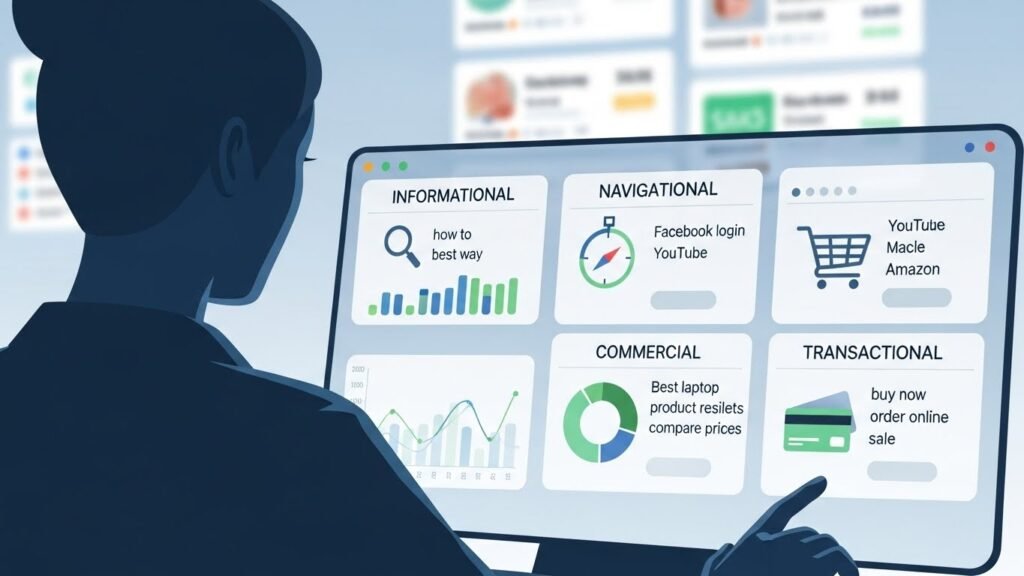
In 2026, intent matching is non-negotiable. Before writing a single line, identify why a user is searching.
There are four dominant intent types:
- Informational (learn something)
- Navigational (find a brand or page)
- Commercial (compare options)
- Transactional (ready to buy)
Analyze the current top-ranking pages for your target query. Are they guides, listicles, tools, or product pages? Match that format precisely. Even perfectly written content will struggle if the intent is mismatched.
2. Build One Topic per Page, Not Many
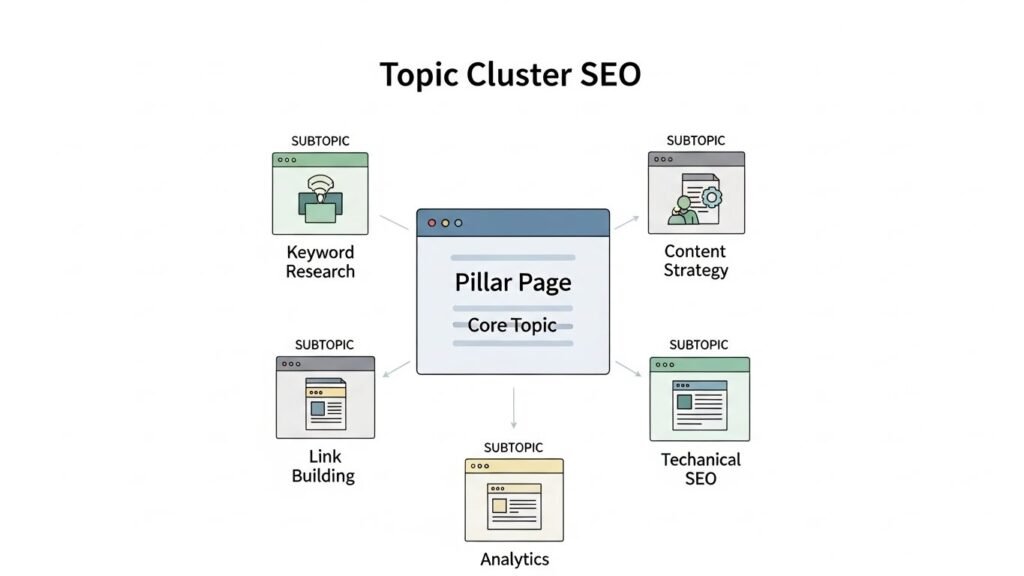
Search engines now reward topical clarity over breadth. Each page should focus on one primary topic, supported by closely related subtopics.
Instead of trying to rank one page for 15 loosely related keywords, create:
- One strong pillar page
- Several supporting articles are internally linked
This approach improves semantic understanding and keeps users engaged longer.
3. Optimize Title Tags for Humans First
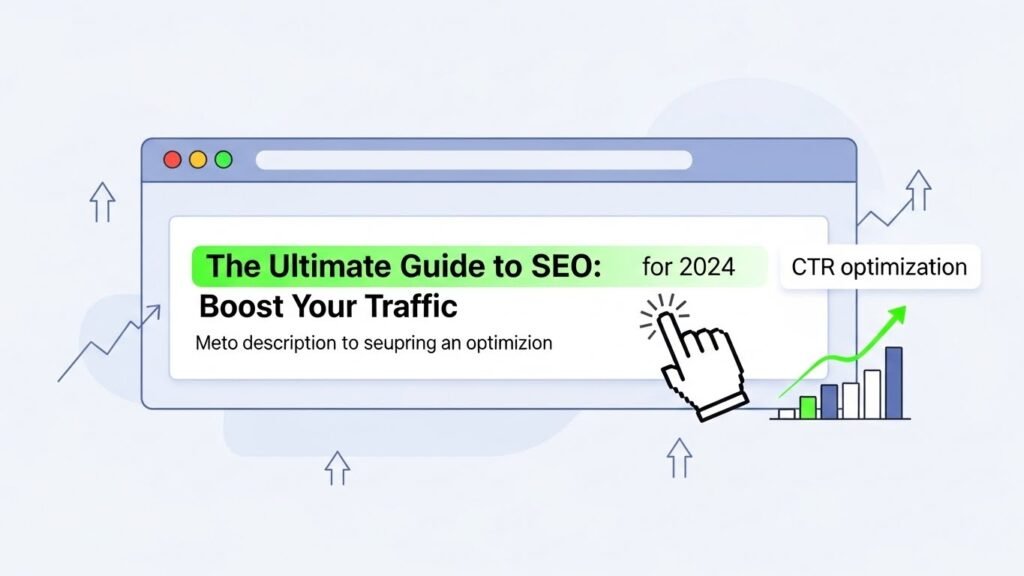
Your title tag remains one of the strongest ranking signals, but only if it attracts clicks.
Best practices for 2026:
- Keep it under 60 characters
- Place the main keyword near the beginning
- Add a compelling hook (number, benefit, or outcome)
Remember: a higher click-through rate reinforces relevance signals over time.
4. Write Meta Descriptions That Earn the Click
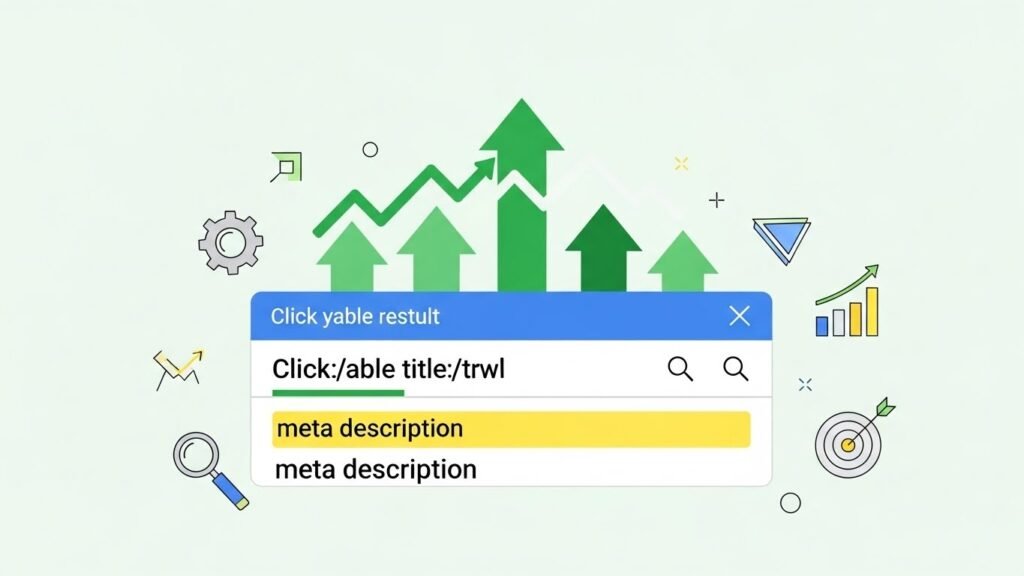
While meta descriptions don’t directly influence rankings, they heavily impact user behavior.
A strong description:
- Clearly states the value of the page
- Matches search intent
- Uses natural, persuasive language
Think of it as ad copy for your organic listing.
5. Use Headings to Create Semantic Structure
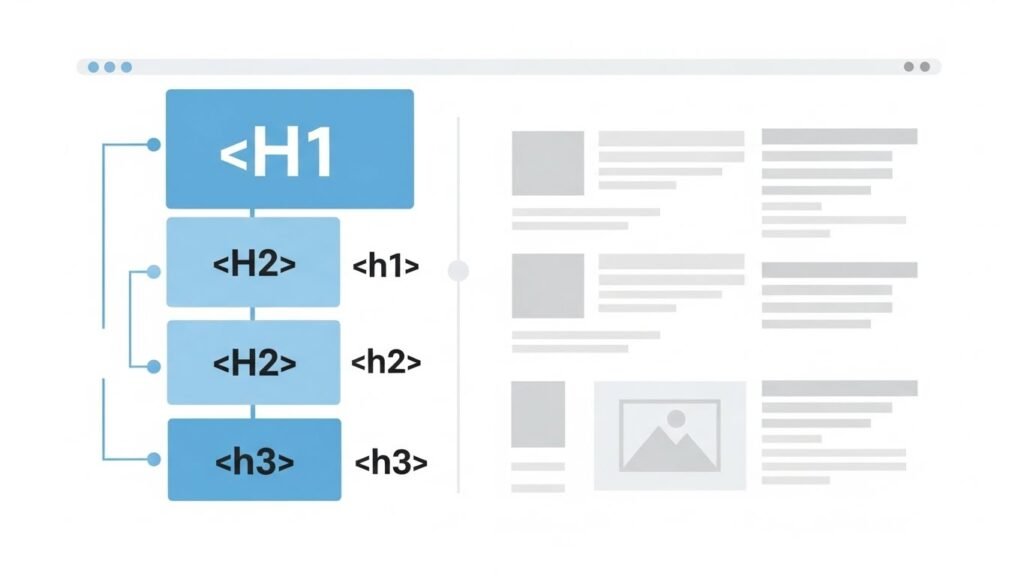
Headings are no longer just formatting tools; they help search engines understand hierarchy and relationships.
Use:
- One clear H1 that defines the page
- Logical H2s and H3s to break down sections
- Natural language instead of keyword stuffing
A well-structured page improves accessibility, readability, and comprehension.
6. Prioritize Content Depth and Original Insight
Thin content simply doesn’t survive in 2026.
To stand out:
- Go deeper than competing pages
- Add real examples, case studies, or frameworks
- Share unique perspectives or first-hand experience
Search engines increasingly measure how helpful content is, not just how optimized it appears.
7. Optimize for Featured Snippets and AI Answers
Zero-click searches continue to rise. To capture visibility:
- Answer key questions clearly within the first 100 words
- Use bullet points, tables, and definitions
- Structure content so it can be easily extracted
Winning snippets build authority even when users don’t click through.
8. Improve Internal Linking with Context
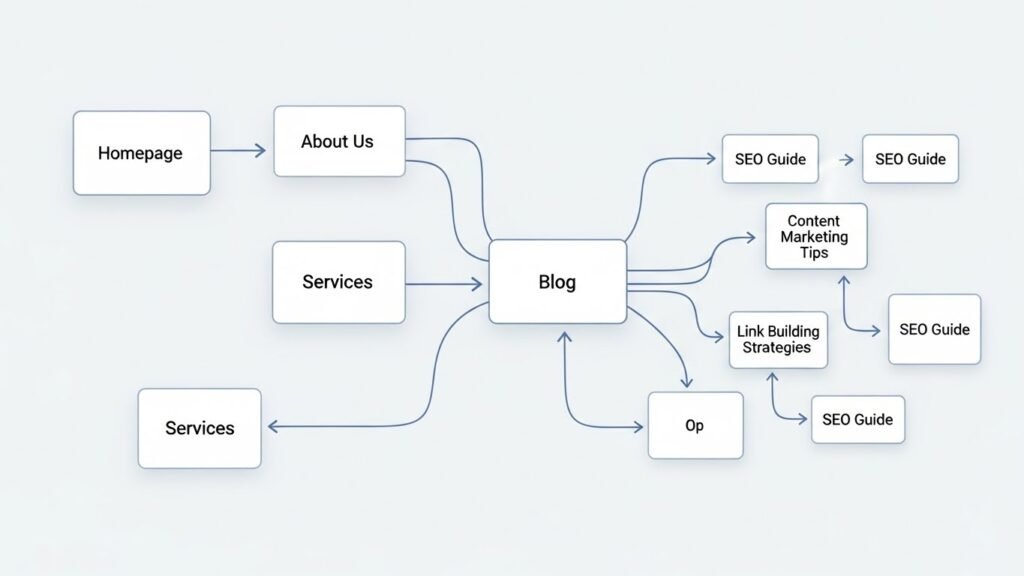
Internal links help distribute authority and guide users.
Effective internal linking:
- Uses descriptive anchor text
- Links to relevant supporting pages
- Helps users naturally explore deeper content
This strengthens topical clusters and improves crawl efficiency across the entire site.
9. Keep URLs Clean, Descriptive, and Stable
A strong URL should:
- Be short and readable
- Reflect the page topic clearly
- Avoid unnecessary parameters
Once published, avoid changing URLs unless absolutely necessary; stability matters more than perfection.
10. Optimize Images for Performance and Search
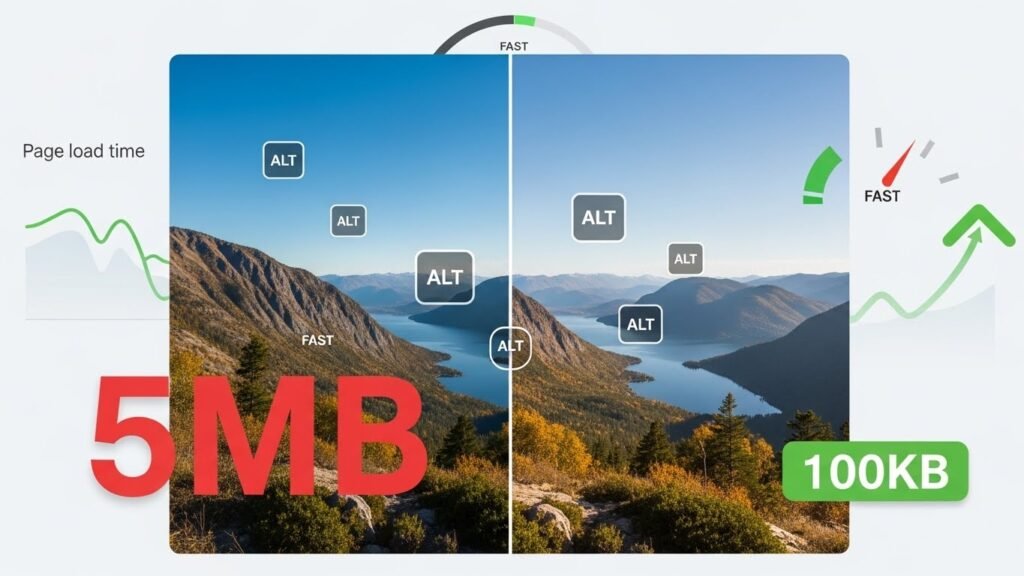
Images enhance engagement, but only when optimized correctly.
Checklist:
- Compress images without quality loss
- Use descriptive file names
- Add meaningful alt text for accessibility
Image optimization contributes to faster load times and additional search visibility.
11. Focus on Core Web Vitals and Page Experience
User experience is now inseparable from rankings.
Key metrics to monitor:
- Largest Contentful Paint (LCP)
- Interaction to Next Paint (INP)
- Cumulative Layout Shift (CLS)
Fast, stable, and responsive pages consistently outperform slow competitors.
12. Make Mobile Experience Flawless
Mobile-first indexing will be fully mature in 2026.
Ensure:
- Responsive design across all devices
- Easy navigation and readable fonts
- Touch-friendly buttons and forms
If your mobile experience is poor, rankings will follow.
13. Use Schema Markup to Clarify Meaning
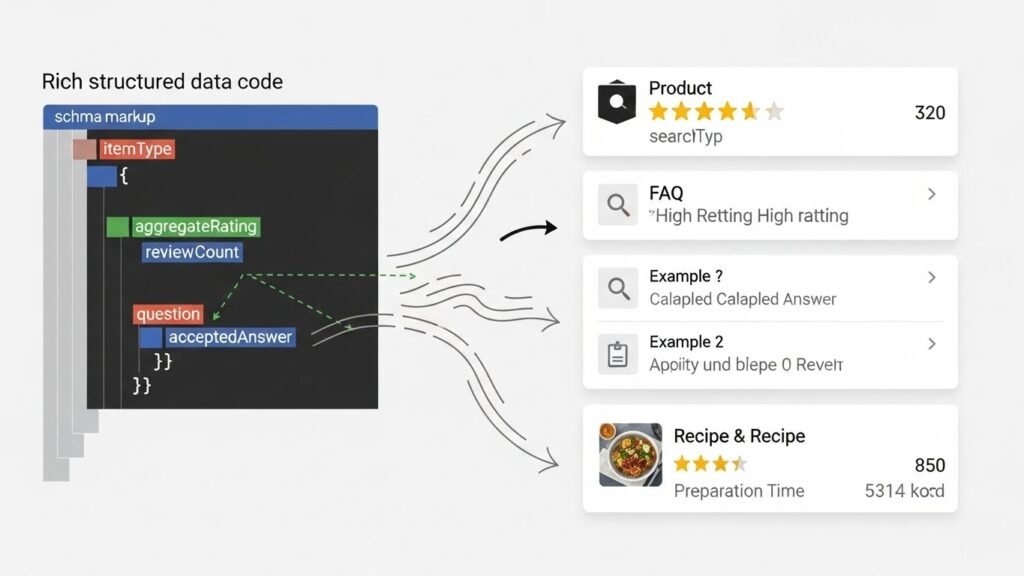
Structured data helps search engines interpret your content accurately.
Popular schema types include:
- Articles
- FAQs
- Reviews
- Products
Schema increases eligibility for rich results, which can dramatically improve visibility.
14. Reduce Crawl Waste and Index Bloat
Not every page deserves to be indexed.
Audit your site for:
- Duplicate content
- Thin or outdated pages
- Unnecessary tag or filter URLs
Cleaning up index bloat ensures search engines focus on your most valuable content.
15. Keep Content Fresh and Updated
Content decay is real.
Update pages by:
- Refreshing statistics
- Adding new insights
- Improving formatting and clarity
Freshness signals help maintain rankings and user trust over time.
16. Write Naturally, Avoid Over-Optimization
Modern algorithms detect unnatural patterns easily.
Instead of forcing keywords:
- Write for clarity and flow
- Use variations and related terms
- Focus on answering questions fully
This is where on page seo succeeds long-term by aligning language with real human expectations.
17. Strengthen Topical Authority with Clusters
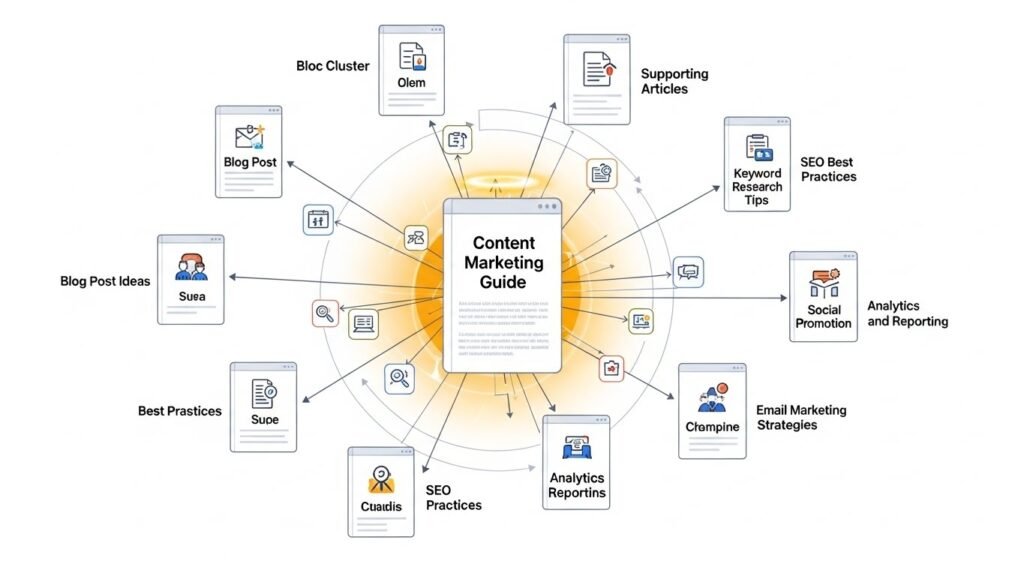
Authority is built through consistency.
Create content clusters where:
- One main guide covers the core topic
- Supporting articles explore subtopics
- Internal links connect everything logically
This structure signals expertise and improves rankings across multiple pages.
18. Optimize for Engagement Signals
User behavior matters more than ever.
Improve engagement by:
- Adding clear introductions
- Using visuals and examples
- Breaking long text into scannable sections
When users stay longer and interact more, search engines interpret that as quality.
19. Ensure Technical Foundations Are Solid
Even the best content fails without strong technical support.
Key areas:
- HTTPS security
- Proper canonical tags
- Clean HTML and CSS
A technically sound seo site provides a stable base for everything else.
20. Follow Proven Principles, Not Trends
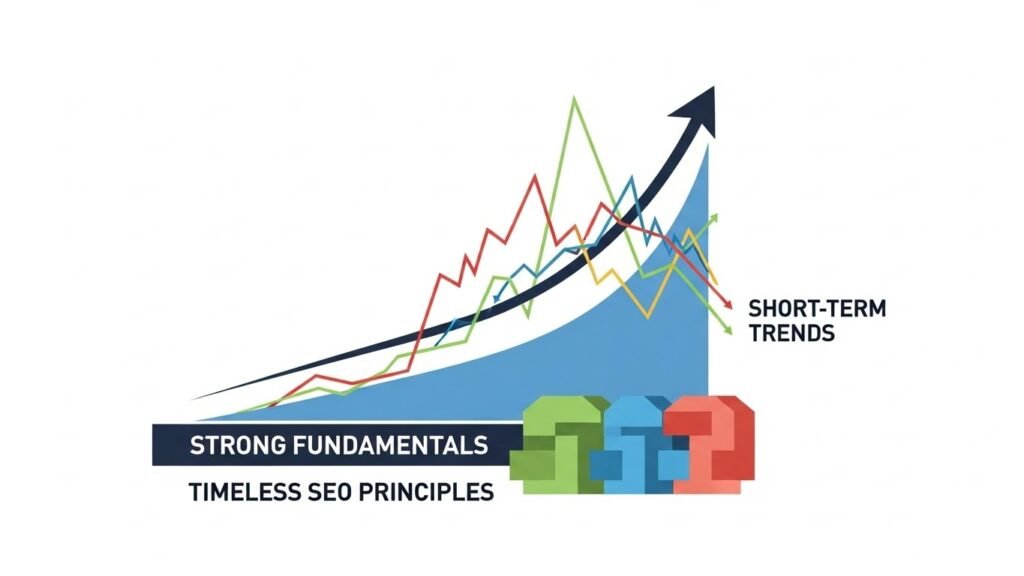
Algorithms change, but fundamentals remain.
Successful pages consistently follow:
- User-first thinking
- Clear structure
- Honest value delivery
That’s why timeless seo best practices still outperform shortcuts, while disciplined seo practices ensure your seo work continues to scale across every on site seo implementation and every form of on-page optimization, delivering actionable seo tips that actually move rankings in 2026 and beyond.
Final Checklist Summary
Before publishing any page, confirm:
- Search intent is matched
- Content is deep, original, and structured
- Technical performance is strong
- User experience is smooth on all devices
When executed together, these 20 steps create a sustainable system not just rankings, but trust, authority, and long-term growth.
If you apply this checklist consistently, you won’t just keep up with SEO in 2026 you’ll lead it.