Hey there! Have you ever wondered how some brands seem to magically appear everywhere online, popping up on your Instagram feed, Google search, and even YouTube ads? If you’ve been scratching your head, wondering how this all works, welcome to the fascinating world of digital marketing. Today, I’ll break it down in a way that’s fun, easy to digest, and maybe even a little addictive.
I’ve been diving into digital marketing for a few years now, experimenting with campaigns, building strategies, and honestly, seeing the results explode. And trust me, once you understand it, it’s like seeing the matrix—but for marketing.
So, grab your coffee, and let’s chat about what digital marketing really is, the types of digital marketing, and how a digital marketing agency in Houston or anywhere else can help boost your online presence.
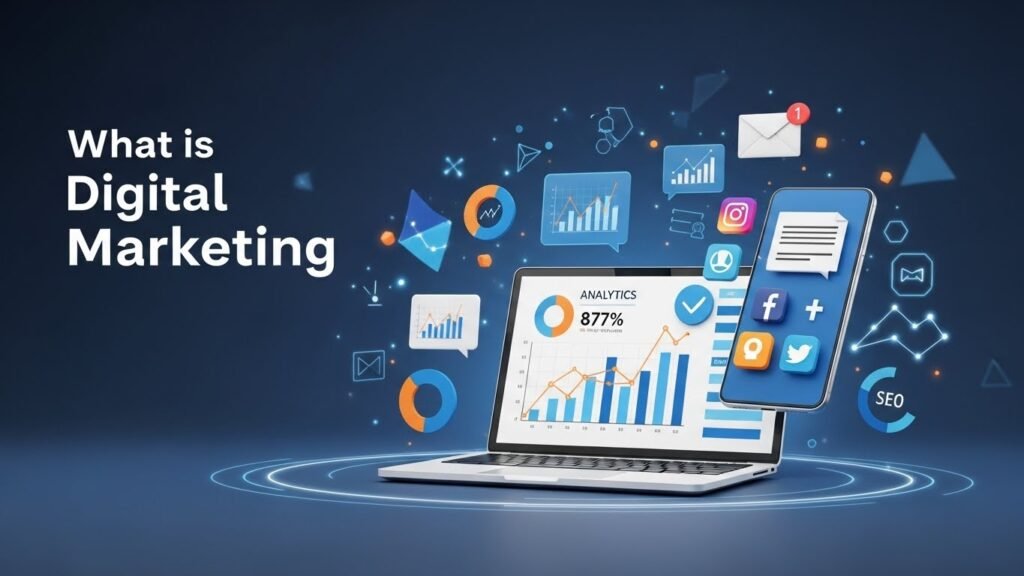
What is Digital Marketing?
At its core, digital marketing is all about promoting products, services, or brands through digital channels. Think of it as the online version of traditional marketing, but way cooler and measurable.
Instead of billboards or TV ads, digital marketing leverages channels like:
- Websites
- Social media platforms
- Email campaigns
- Search engines like Google
The best part? Everything you do can be tracked. You can see exactly who clicked what, when, and where. For businesses, this means smarter strategies and better ROI (return on investment).
Why Digital Marketing Matters Today
Honestly, if your business isn’t online, you’re kinda invisible to a huge chunk of potential customers. Here’s why digital marketing is a game-changer:
- Massive Reach – Billions of people are online, and digital marketing lets you reach them all without spending millions on traditional ads.
- Targeted Strategies – Want to reach 25-35-year-olds in Houston interested in fitness? Digital marketing lets you do that.
- Cost-Effective – Small businesses can compete with big brands by using smart, data-driven campaigns.
- Measurable Results – Forget guessing; analytics let you see what’s working in real-time.
Types of Digital Marketing
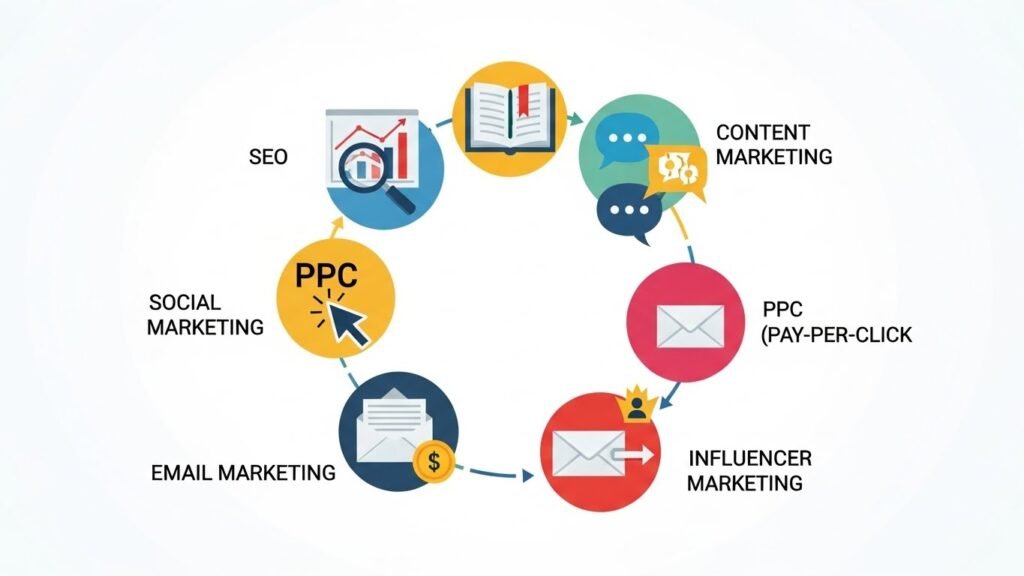
Okay, so now that we know what digital marketing is, let’s break down the types of digital marketing. There are several, and each serves a unique purpose.
1. Search Engine Optimization (SEO)
Ever wondered why some websites show up first on Google? That’s SEO magic. SEO is all about optimizing your website so search engines love it—and rank it higher in results.
Key Components of SEO:
- On-page SEO: Keywords, meta descriptions, and content structure.
- Off-page SEO: Backlinks, social sharing, and domain authority.
- Technical SEO: Website speed, mobile optimization, and site structure.
FYI: A digital marketing website optimized for SEO can drastically improve visibility and traffic.
2. Content Marketing
Content isn’t just king—it’s the whole kingdom. This type involves creating valuable content to attract, engage, and retain an audience.
Content Marketing Examples:
- Blog posts (like this one)
- Videos and tutorials
- Infographics and podcasts
The trick? Make content helpful, entertaining, and aligned with your audience’s needs.
3. Social Media Marketing
Social media isn’t just for memes and cat videos. Platforms like Facebook, Instagram, LinkedIn, and TikTok are powerful digital marketing channels.
Benefits of Social Media Marketing:
- Builds brand awareness
- Engages directly with your audience
- Drives traffic to your website
Pro tip: Consistency is everything. Post regularly and keep your content fun and interactive.
4. Pay-Per-Click (PPC) Advertising
PPC is the “buy your way to the top” method. You pay platforms like Google or Facebook to show your ads to targeted audiences.
PPC Highlights:
- Instant visibility
- Targeting by location, interests, and behavior
- Flexible budget options
PPC is great for businesses that want quick results while building long-term SEO strategies.
5. Email Marketing
Email marketing is alive and kicking, despite what some people say. It’s all about nurturing leads and converting them into loyal customers.
Email Marketing Tactics:
- Personalized newsletters
- Promotional offers
- Drip campaigns to educate prospects
IMO, email marketing is like having a secret weapon. A well-crafted email campaign can generate serious revenue.
6. Affiliate & Influencer Marketing
This is all about leveraging others’ audiences to grow your brand. Whether it’s an influencer shouting out your product or a partner site linking to you, it’s a win-win.
Benefits:
- Expands reach quickly
- Builds credibility through trusted voices
- Often performance-based, meaning you pay for results
7. Online PR & Reputation Management
Your online reputation matters more than ever. Online PR involves getting media coverage, guest posts, and reviews. Meanwhile, reputation management ensures your brand maintains a positive image online.
Tactics Include:
- Press releases
- Influencer collaborations
- Review monitoring
How Digital Marketing Services Can Help

Now, I know what you’re thinking: “All this sounds amazing, but it’s kinda overwhelming.” And you’re right—it can be. That’s where digital marketing services come in.
A digital marketing agency in Houston, for example, can:
- Analyze your current online presence
- Build a customized strategy tailored to your business
- Execute campaigns across multiple channels
- Track performance and optimize for better results
Think of them as your online marketing GPS—they guide you through the chaos of the digital world.
How to Choose the Right Digital Marketing Agency
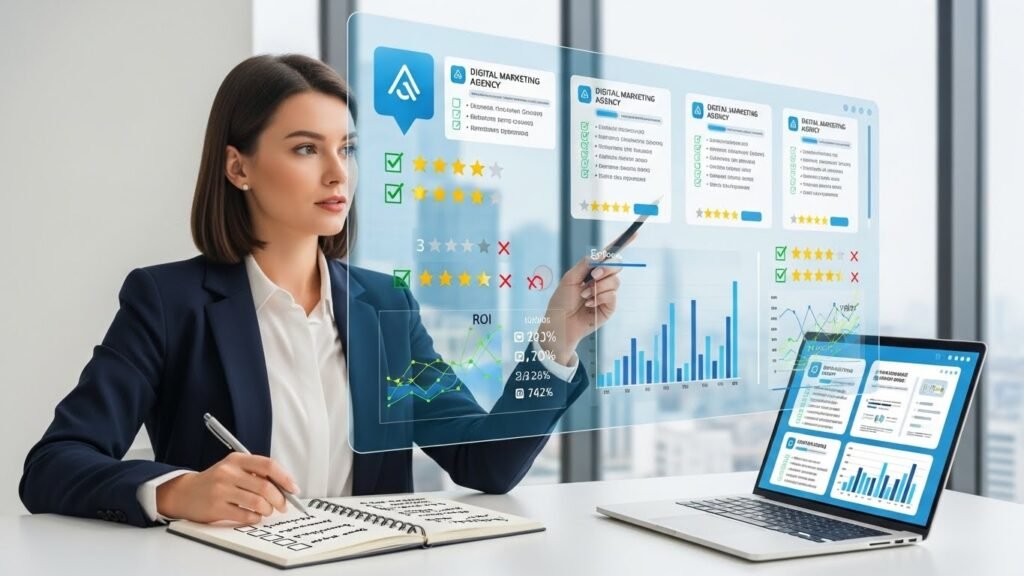
Picking a digital marketing agency isn’t just about price. Here’s what to look for:
- Experience & Portfolio – Check out their previous work and success stories.
- Transparent Reporting – You should know exactly how your budget is being spent.
- Services Offered – Make sure they cover your business needs, whether it’s SEO, PPC, or social media.
- Communication – Regular updates and honest advice are key.
- Customization – Avoid agencies with cookie-cutter approaches. Your brand is unique—your strategy should be too.
Pro tip: Ask them for a digital marketing website audit before signing on. It’s like test-driving a car—you want to know it runs smoothly.
DIY vs Hiring a Digital Marketing Agency
Some people prefer to handle marketing in-house. Others hire an agency. Here’s a quick comparison:
| Aspect | DIY | Agency |
|---|---|---|
| Expertise | Limited | Professional team |
| Cost | Lower upfront | Higher upfront but ROI-friendly |
| Time | High personal investment | Saves your time |
| Tools & Tech | May need extra investment | Included in service |
IMO, if you’re serious about growth, partnering with an agency often pays off faster.
Key Metrics to Track in Digital Marketing
You can’t improve what you don’t measure. These are the metrics you should care about:
- Traffic Sources: Where your visitors come from (search engines, social media, referrals).
- Conversion Rate: How many visitors take your desired action.
- Click-Through Rate (CTR): Percentage of people clicking your ads or links.
- Return on Investment (ROI): How much revenue your campaigns generate.
- Engagement Metrics: Likes, shares, comments, and time spent on site.
FYI: Tracking these metrics helps you make data-driven decisions and avoid wasting money on campaigns that don’t perform.
Digital Marketing Trends to Watch
Digital marketing is always evolving. Here are some trends you don’t want to ignore:
- AI & Automation – Tools like ChatGPT and automated email sequences save time and increase efficiency.
- Video Content Dominance – Short-form videos, like TikTok or Instagram Reels, are taking over.
- Voice Search Optimization – Smart speakers and voice assistants are changing SEO strategies.
- Personalization – Customers expect tailored experiences. Generic messages don’t cut it anymore.
- Sustainability Marketing – Brands that showcase social responsibility resonate better with audiences.
Common Myths About Digital Marketing
Let’s bust some misconceptions:
- Myth 1: Digital marketing is just social media.
Reality: Social media is only one part of the puzzle. - Myth 2: Digital marketing delivers instant results.
Reality: While PPC is quick, SEO and content marketing take time to show ROI. - Myth 3: Only big companies need digital marketing.
Reality: Small businesses can compete online with the right strategy.
Getting Started With Digital Marketing
If you’re feeling inspired (and I hope you are!), here’s a roadmap to start:
- Define Your Goals – Brand awareness? Lead generation? Sales growth?
- Identify Your Audience – Who are you trying to reach, and where do they hang out online?
- Choose Your Channels – Focus on platforms that align with your audience.
- Create Engaging Content – Blogs, videos, infographics, or email campaigns.
- Measure & Optimize – Track metrics and tweak campaigns for better performance.
Quick tip: Even if you hire a digital marketing agency in Houston, understanding the basics helps you collaborate better and get the results you want.
Conclusion
So there you have it, a friendly, down-to-earth guide to digital marketing. We covered what it is, the types of digital marketing, how agencies can help, and even some tips to get started yourself.
At the end of the day, digital marketing is all about connecting with your audience where they spend most of their time—online. Whether you dive in DIY-style or partner with a digital marketing agency in Houston, the possibilities are endless.
Remember, the digital world is vast, but with the right strategy, your brand can shine brighter than ever. So, what are you waiting for? Start exploring, experimenting, and embracing the world of digital marketing services today. And hey, if you ever feel overwhelmed, just take a deep breath and maybe grab another coffee.