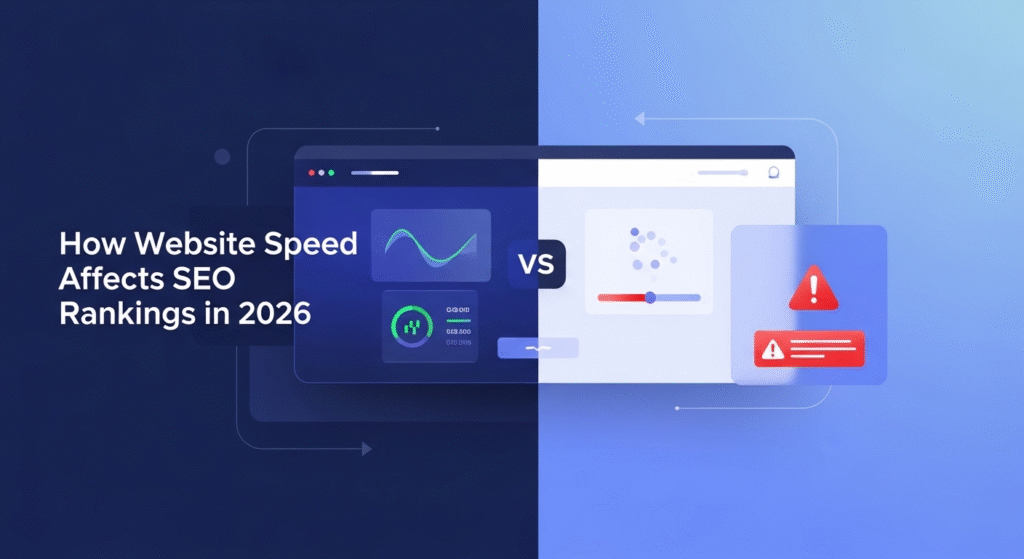
Website speed is no longer just a technical detail; it’s a critical ranking factor that directly influences how your site performs in search engines. In 2026, search engines prioritize user experience, speed, and responsiveness, making page speed essential for SEO success.
If your website loads slowly, you’re not just losing rankings, you’re losing traffic, conversions, and revenue.
What Is Website Speed?
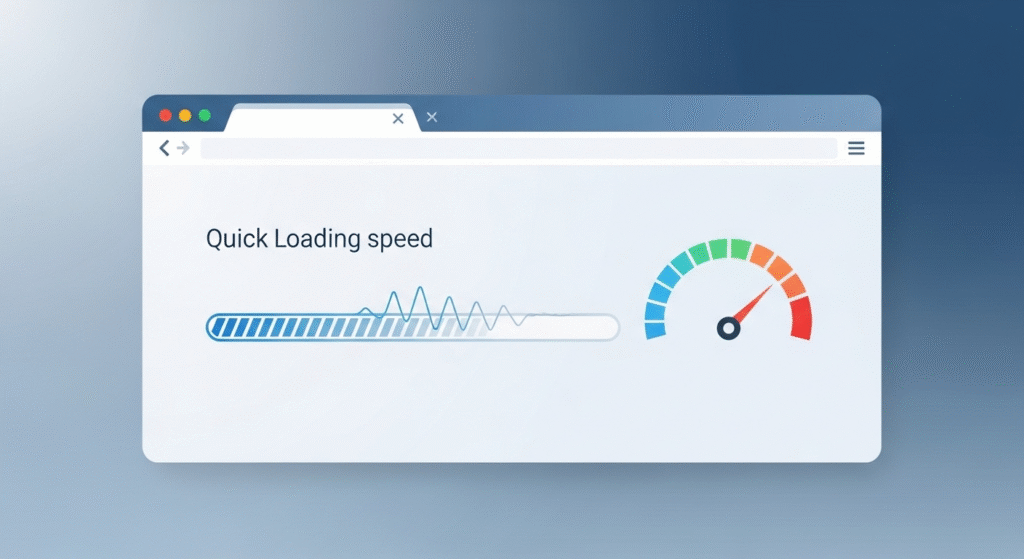
Website speed refers to how quickly a webpage loads and becomes interactive for users. It includes:
- Page Load Time: Total time for a page to fully load
- Time to First Byte (TTFB): How quickly the server responds
- Interactive Time: When users can engage with the page
A fast website ensures users can access content instantly without delays, improving both SEO and user satisfaction.
Why Website Speed Matters for SEO
Search engines like Google use speed as a ranking signal because it directly impacts user experience. Key reasons speed matters include faster rankings in competitive niches, improved user experience that reduces bounce rates, influence over mobile-first indexing, and better overall engagement. In short: speed equals better rankings and better UX.
Core Web Vitals Explained: Google’s Speed Metrics for 2026
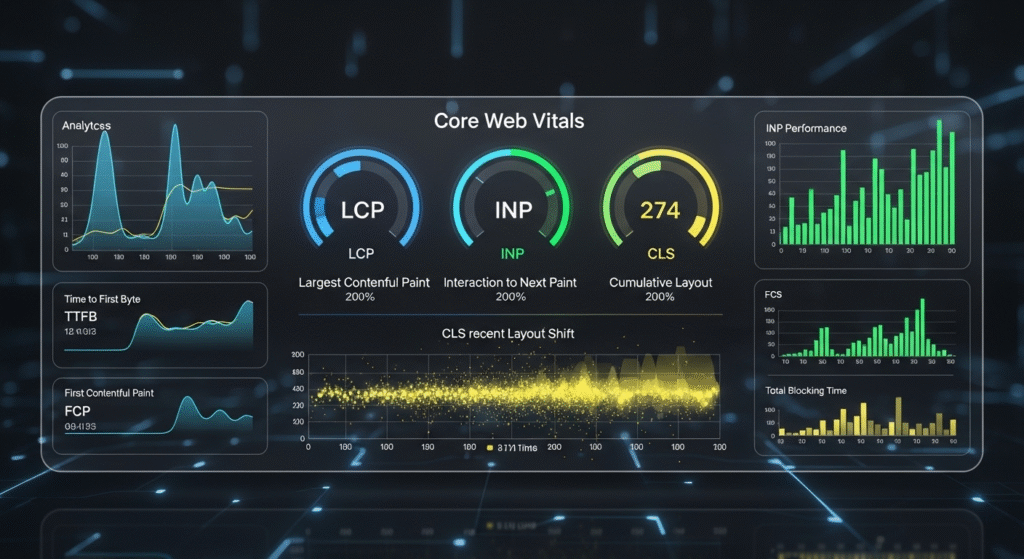
Core Web Vitals are Google’s key performance metrics that measure real user experience.
Largest Contentful Paint (LCP)
LCP measures the loading speed of your main content. The ideal target is under 2.5 seconds.
Interaction to Next Paint (INP)
INP measures responsiveness to user actions. Faster interaction leads to a better user experience and stronger SEO signals.
Cumulative Layout Shift (CLS)
CLS measures visual stability and prevents annoying layout jumps that frustrate users.
Why Core Web Vitals Are Direct Ranking Signals
Core Web Vitals are direct ranking signals that reflect real user experience and are essential for competitive SEO in 2026. Sites that meet these benchmarks consistently outperform those that don’t.
How Website Speed Directly Impacts SEO Rankings
Website speed influences rankings in multiple direct ways. Search engines prioritize fast-loading pages; faster sites improve crawl efficiency, slow pages may not be fully indexed, and mobile performance strongly affects overall rankings. When two pages have similar content, the faster one almost always ranks higher.
Indirect SEO Benefits of a Fast Website
Speed doesn’t just affect rankings directly, it improves key behavioral metrics that search engines monitor:
- Lower bounce rates
- Higher dwell time
- Increased page views
- Better conversion rates
A fast website keeps users engaged, signaling to search engines that your content is valuable and worth ranking.
Mobile Speed vs Desktop Speed: Why Mobile Performance Matters More
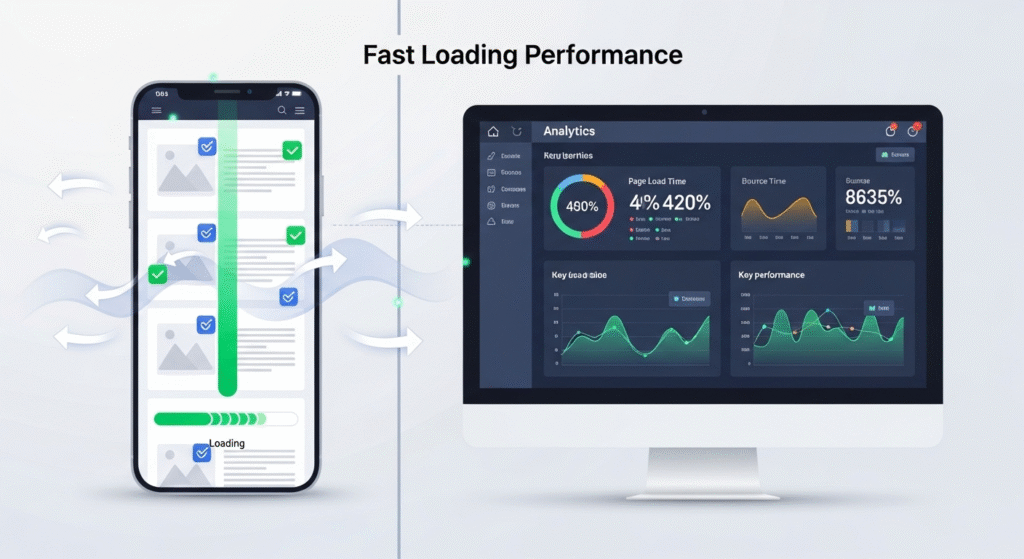
With mobile-first indexing, Google primarily evaluates your mobile site. Most users now browse on mobile devices, slower mobile networks amplify performance issues, and poor mobile speed results in lower rankings. If your site isn’t fast on mobile, your SEO performance will suffer regardless of content quality.
What Happens If Your Website Is Slow?
A slow website can seriously damage your online presence, resulting in a drop in search rankings, poor user experience, lost conversions and revenue, higher bounce rates, and reduced trust and credibility. Even a one-second delay can significantly reduce conversion rates.
How to Improve Website Speed: Step-by-Step Optimization
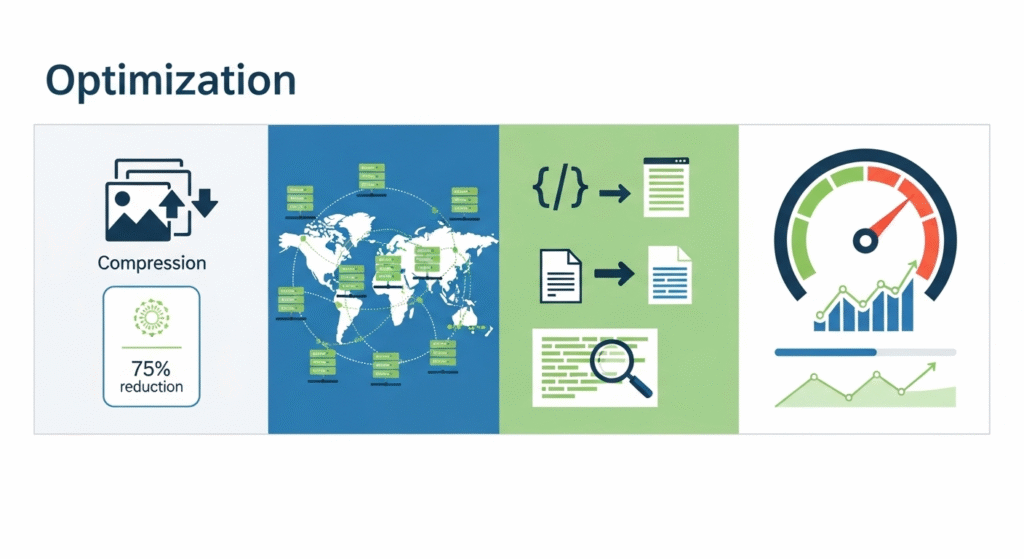
Optimize Images for Faster Loading
Compress large images, use modern formats like WebP, and enable lazy loading to reduce initial page weight.
Reduce JavaScript and CSS File Size
Minify files, remove unused code, and defer non-critical scripts to speed up rendering.
Use a Content Delivery Network (CDN)
A CDN distributes content globally, reduces latency, and improves load times for international users.
Enable Browser Caching
Browser caching stores files locally on a user’s device, reducing repeat load times significantly.
Improve Server Response Time (TTFB)
Use optimized servers and reduce backend processing delays to achieve a TTFB under 500ms.
Choose Fast, Reliable Hosting
Invest in high-performance hosting and avoid cheap, overloaded servers that throttle your site speed.
What Is a Good Website Speed in 2026?
The ideal benchmarks for a well-optimized site in 2026 are a total load time under 2 to 3 seconds, an LCP under 2.5 seconds, and a TTFB under 500ms. The faster your site, the better your chances of ranking higher in competitive search results.
SEO, AEO, and VSO Optimization Tips for 2026
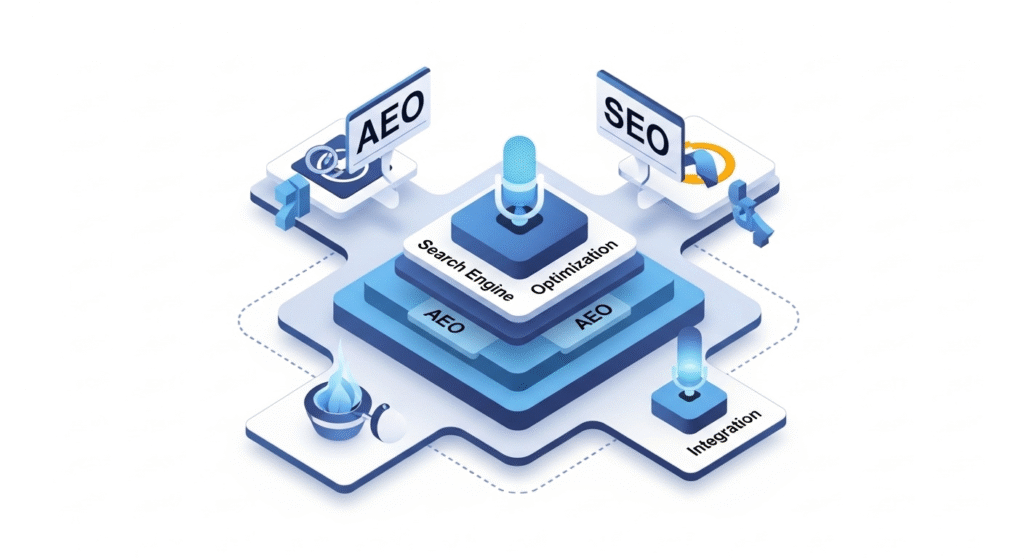
To dominate search in 2026, you need to optimize beyond traditional SEO.
Search Engine Optimization (SEO)
Target long-tail keywords, optimize page structure, and improve technical performance for crawlability and indexability.
Answer Engine Optimization (AEO)
Answer questions clearly, use structured data and schema markup, and optimize for featured snippets to capture zero-click traffic.
Voice Search Optimization (VSO)
Use conversational language, target question-based queries, and provide concise answers. For example, the query “How does website speed affect SEO?” should be answered directly: a fast website improves rankings, user experience, and conversion rates.
Frequently Asked Questions About Website Speed and SEO
Does Website Speed Affect SEO Rankings?
Yes, website speed is a confirmed ranking factor and directly impacts user experience, search rankings, and conversions.
How Fast Should a Website Load?
A website should ideally load in under 2 to 3 seconds for optimal SEO performance.
What Are Core Web Vitals?
Core Web Vitals are Google’s performance metrics that measure loading speed, interactivity, and visual stability.
Can a Slow Website Hurt Conversions?
Yes. Slow websites increase bounce rates and reduce user trust, leading to fewer conversions and lost revenue.
Is Website Speed More Important Than Content?
Both are important. However, even great content will not rank well if your website is too slow to deliver it.
Conclusion: Website Speed Is Non-Negotiable in 2026
Website speed is one of the most powerful factors in modern SEO. It impacts rankings, user experience, engagement, and revenue. In 2026, speed is no longer optional; it’s essential. If you want to outperform competitors, focus on delivering a fast, smooth, and responsive experience across all devices.